The best time to visit Big Sur is during the shoulder seasons of September through November and March through May. These months generally offer a favorable balance of coastal scenery, comfortable temperatures, and fewer crowds than summer.
However, each season brings something different. Fall often delivers clearer skies and warmer coastal afternoons. Meanwhile, spring transforms the hillsides with wildflowers, green landscapes, and flowing waterfalls.
Summer remains popular for road trips and outdoor adventures. In contrast, winter offers dramatic ocean scenery but carries a greater risk of storms and road closures.
Whether you’re planning a weekend getaway or a California Highway 1 road trip, understanding Big Sur’s seasonal conditions can help you choose the right time to visit.
What Is the Best Month to Visit Big Sur?
September and October are often the best months to visit Big Sur, especially for clear coastal views and comfortable weather.
During these months, summer fog becomes less persistent along much of California’s Central Coast. As a result, visitors often enjoy better visibility of Big Sur’s dramatic cliffs and Pacific Ocean scenery.
Additionally, crowds may decrease after the busy summer travel season. Restaurants, campgrounds, and popular attractions can still be busy on weekends, however.
For travelers interested in greener landscapes, April and May are excellent alternatives. Spring brings wildflowers, flowing streams, and pleasant hiking conditions.
November and March can also be rewarding. However, these months overlap with California’s rainy season, increasing the possibility of storms.
Ultimately, the best month depends on your preferred activities and tolerance for changing weather.
Big Sur Weather and Seasons at a Glance
Big Sur has a Mediterranean climate with generally dry summers and wetter winters. However, the region’s coastal geography creates significant local variations.
Temperatures near the Pacific Ocean often remain mild throughout the year. Meanwhile, inland valleys and exposed mountain trails can become much warmer.
| Season | Months | Typical Conditions | Best For |
|---|---|---|---|
| Spring | March–May | Green hills, mild weather, possible rain | Hiking, wildflowers, waterfalls |
| Summer | June–August | Dry weather, coastal fog, larger crowds | Road trips, camping, longer days |
| Fall | September–November | Often clearer skies, mild afternoons | Scenic drives, photography, hiking |
| Winter | December–February | Rain, large surf, cooler weather | Quieter trips, stormy coastal scenery |
Conditions can vary considerably between the coastline and inland mountains. Therefore, visitors should always check local forecasts before traveling.
Visiting Big Sur in Spring: March Through May
Spring is one of the most scenic times to explore Big Sur. Winter rainfall often leaves the coastal hillsides green, while wildflowers brighten open meadows and ridges.
Additionally, streams and waterfalls typically carry more water after seasonal storms.
Why Visit Big Sur in Spring?
Spring offers comfortable conditions for many outdoor activities.
Visitors can explore established hiking trails, enjoy coastal viewpoints, and experience Big Sur’s forests during a greener season.
Popular spring activities include:
- Hiking among coastal wildflowers and green hillsides.
- Exploring redwood forests and state parks.
- Viewing seasonal waterfalls and flowing streams.
- Photographing the rugged coastline.
- Enjoying scenic drives along Highway 1.
However, rain and muddy trails remain possible, especially earlier in the season.
Creek crossings can also become hazardous after storms. Therefore, always verify trail conditions before setting out.
Best for: Hiking, wildflowers, waterfalls, and nature photography.
Visiting Big Sur in Summer: June Through August
Summer is one of Big Sur’s busiest travel periods. Longer daylight hours and generally dry conditions attract road trippers, families, and outdoor enthusiasts.
However, summer weather along the Central Coast can surprise first-time visitors.
Why Is Big Sur Foggy in Summer?
Cool Pacific Ocean waters help create a marine layer that often covers the coastline.
As a result, mornings may begin with thick fog and limited visibility. Some areas clear by afternoon, while others remain cloudy throughout the day.
Meanwhile, inland valleys can become much warmer than coastal locations.
Despite the fog, summer remains a popular time for camping, hiking, and road trips.
Popular summer activities include:
- Exploring redwood forests and shaded trails.
- Camping at established campgrounds.
- Visiting scenic beaches and coastal parks.
- Taking longer Highway 1 road trips.
- Enjoying restaurants and outdoor activities.
However, accommodations can fill quickly during weekends and holidays. Therefore, advance reservations are advisable.
Best for: Camping, family vacations, and longer road trips.
Visiting Big Sur in Fall: September Through November
Fall is often considered the best season for visiting Big Sur.
September and October typically offer clearer coastal skies than the summer months. Additionally, daytime temperatures often remain comfortable for hiking and sightseeing.
As summer travel demand declines, some trails and attractions may also feel less crowded.
Why Is Fall a Good Time to Visit Big Sur?
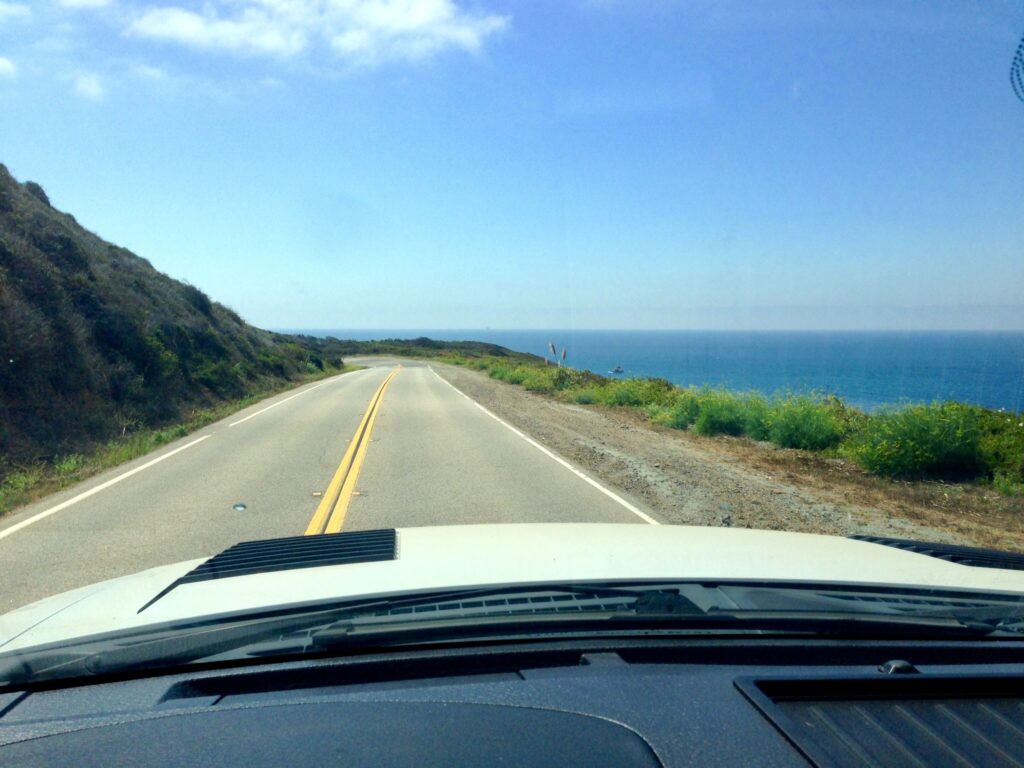
Fall frequently offers favorable conditions for scenic Highway 1 drives.
With less persistent coastal fog, visitors may enjoy broader views of the Pacific Ocean and Santa Lucia Mountains.
The season also offers opportunities for hiking, coastal photography, and exploring state parks.
Popular fall activities include:
- Driving scenic Highway 1.
- Exploring coastal viewpoints and state parks.
- Hiking along ocean bluffs and mountain trails.
- Photographing coastal landscapes.
- Enjoying outdoor dining and nearby communities.
However, November may bring the first significant winter storms. Dry conditions can also increase wildfire concerns earlier in the season.
Best for: Coastal scenery, scenic drives, hiking, and photography.
Visiting Big Sur in Winter: December Through February
Winter brings a quieter and more dramatic atmosphere to Big Sur.
Storm clouds, powerful ocean waves, and green hillsides create striking coastal scenery. Meanwhile, seasonal rainfall replenishes streams and waterfalls.
However, winter also presents the greatest weather-related travel challenges.
Is Big Sur Worth Visiting in Winter?
Yes, Big Sur can be worth visiting in winter, especially for travelers who enjoy peaceful surroundings and dramatic coastal scenery.
Some accommodations and attractions may experience lower demand outside holiday periods.
Additionally, winter provides opportunities to observe migrating gray whales from established coastal viewpoints.
However, heavy rainfall can trigger landslides, flooding, and highway closures.
High surf and sneaker waves also create serious hazards along beaches and rocky headlands.
Therefore, winter visitors should maintain flexible travel plans and avoid unnecessary driving during severe storms.
Best for: Quieter getaways, whale watching, and dramatic coastal scenery.
Highway 1 Road Conditions: What Visitors Should Know
Highway 1 is the main route through Big Sur. It connects Carmel-by-the-Sea in the north with San Simeon and Cambria to the south.
Although this coastal road offers spectacular scenery, it also crosses steep and unstable terrain.
Consequently, storms, landslides, rockfalls, and road maintenance can interrupt travel.
Important: Check Highway 1 Before Visiting Big Sur
Highway 1 may experience temporary closures or traffic restrictions at any time of year. Before departing, check Caltrans QuickMap for current road conditions, construction, and closures.
When Highway 1 is closed within Big Sur, visitors may need to approach destinations from the north or south separately.
US Highway 101 generally provides the main inland alternative between the Monterey Peninsula and San Luis Obispo County. However, it does not provide direct access to most Big Sur attractions.
Additionally, California State Parks may temporarily close hiking trails or visitor areas after storms and wildfires.
Always confirm park access before traveling.
When Is Highway 1 Most Likely to Close?
Highway 1 can close during any season. However, winter and early spring generally bring a greater risk of rain-related landslides and slope damage.
Heavy rainfall can saturate the coastal mountains, causing rocks, mud, and debris to reach the roadway.
Meanwhile, wildfires and construction may affect travel during other periods.
Because closures can happen unexpectedly, no season guarantees uninterrupted access.
Visitors planning a complete Carmel-to-Cambria road trip should confirm that the entire route is open before departure.
Best Time to Visit Big Sur for Hiking
Spring and fall generally offer the most comfortable conditions for hiking in Big Sur.
During spring, cooler temperatures and green hillsides create favorable conditions for many trails. Additionally, wildflowers and streams add seasonal scenery.
Fall also provides comfortable hiking opportunities. However, inland trails may remain hot during warmer periods.
Summer can be suitable for shaded forest hikes, especially in the morning. Nevertheless, exposed mountain trails can become extremely hot.
Winter hiking requires more caution because of wet trails, unstable slopes, and swollen creeks.
Popular hiking areas include Pfeiffer Big Sur State Park, Garrapata State Park, and Andrew Molera State Park.
Always check current trail conditions before visiting.
Best Time to Visit Big Sur for Beaches and Coastal Views
September and October often provide some of the clearest coastal conditions.
During summer, the marine layer can obscure ocean views for much of the morning. In contrast, fall frequently brings clearer skies.
Spring also offers beautiful scenery, particularly when coastal hillsides remain green.
However, Big Sur’s beaches are not typical swimming destinations.
Cold water, strong currents, powerful shorebreak, and sneaker waves create dangerous conditions throughout the year.
Therefore, visitors should enjoy beaches primarily for coastal walks, scenery, and photography from safe locations.
Popular beaches include Pfeiffer Beach, Sand Dollar Beach, and Garrapata State Beach.
Always follow posted restrictions and avoid exposed rocks near the ocean.
Best Time to Visit Big Sur for Camping
Camping is popular throughout Big Sur, especially during spring, summer, and fall.
Summer provides longer daylight hours and typically dry weather. However, campgrounds often experience higher demand.
Spring offers green scenery and comfortable temperatures. Nevertheless, rainfall can create muddy conditions.
Fall can provide pleasant camping weather with fewer visitors outside busy weekends.
Winter camping is possible at some established campgrounds. However, rain, cold nights, and temporary closures may affect availability.
Popular camping areas include Pfeiffer Big Sur State Park, Fernwood Resort, Kirk Creek Campground, and Plaskett Creek Campground.
Reservations, campground access, and fire restrictions vary by location.
Therefore, confirm availability and current regulations before planning your trip.
How Many Days Should You Spend in Big Sur?
The ideal trip length depends on the season, weather, and activities.
One day: A scenic Highway 1 drive allows time to enjoy several landmarks and established viewpoints.
Two days: A weekend provides more time for hiking, state parks, restaurants, and coastal attractions.
Three days: A longer stay allows visitors to explore different sections of Big Sur at a more relaxed pace.
Spring and fall often provide comfortable conditions for longer outdoor itineraries.
However, during winter, flexible plans are important because road conditions may change quickly.
Is Big Sur Worth Visiting?
Absolutely. Big Sur is one of California’s most distinctive coastal destinations.
Its rugged cliffs, redwood forests, secluded beaches, and mountain landscapes create an experience unlike most coastal communities.
Moreover, the region offers activities for different interests.
Outdoor enthusiasts can explore hiking trails and state parks. Meanwhile, photographers and road trippers can enjoy scenic Highway 1 and established coastal viewpoints.
Visitors can also explore restaurants, galleries, and accommodations surrounded by natural scenery.
However, Big Sur is relatively remote. Services are limited, and distances between attractions can be greater than expected.
Planning ahead helps visitors make the most of their trip.
Tips for Planning Your Big Sur Visit
A few practical steps can improve your experience regardless of the season.
- Check Highway 1 conditions: Review Caltrans QuickMap before traveling.
- Reserve accommodations early: Lodging and campgrounds can fill during popular travel periods.
- Dress in layers: Coastal fog, wind, and inland temperatures can vary throughout the day.
- Download offline maps: Cell service is limited in many parts of Big Sur.
- Bring essential supplies: Carry water, snacks, and adequate fuel.
- Check trail closures: Weather and maintenance can affect access to state parks.
- Allow extra driving time: Highway 1 features curves, narrow lanes, and occasional construction.
Additionally, use designated parking areas and avoid stopping along unsafe highway shoulders.
Frequently Asked Questions About the Best Time to Visit Big Sur
What Is the Best Month to Visit Big Sur?
September and October are often the best months for clear coastal views and comfortable weather.
However, April and May are excellent choices for green hillsides, wildflowers, and spring hiking.
What Months Have the Best Weather in Big Sur?
September and October typically offer some of the clearest coastal conditions.
Meanwhile, April and May often provide mild temperatures and beautiful spring scenery.
However, weather can change quickly along the coast.
What Is the Rainy Season in Big Sur?
Big Sur’s rainy season generally extends from late fall through early spring.
December through March often bring the greatest potential for significant storms.
However, rainfall amounts and storm timing vary from year to year.
Is Big Sur Foggy in Summer?
Yes. Coastal fog is common during summer, particularly in June, July, and August.
The fog may clear during the afternoon, although some locations remain cloudy throughout the day.
Is Big Sur Crowded in Summer?
Summer is generally one of the busiest travel periods.
Popular attractions, restaurants, and accommodations can experience higher demand. Additionally, holiday weekends often bring heavier traffic.
Is Big Sur Worth Visiting in November?
Yes. November can offer beautiful scenery and fewer visitors.
However, rainfall becomes more likely as the winter season approaches.
Therefore, check weather forecasts and Highway 1 conditions before traveling.
Is Big Sur Worth Visiting in Winter?
Yes, especially for travelers seeking quieter surroundings and dramatic coastal scenery.
However, storms, high surf, and road closures can affect travel plans.
When Is the Best Time to Drive Highway 1 Through Big Sur?
September and October often provide favorable conditions for scenic drives.
Spring is another attractive option, especially when coastal hillsides are green.
However, Highway 1 can experience temporary closures at any time of year.
Can You Visit Big Sur Year-Round?
Yes. Big Sur welcomes visitors throughout the year when roads and destinations are accessible.
However, weather, highway closures, and seasonal operating schedules can affect individual attractions.
Plan Your Visit to Big Sur
The best time to visit Big Sur depends on what you want to experience.
September through November and March through May offer some of the best overall conditions for exploring California’s Central Coast.
Fall frequently brings clearer coastal skies and comfortable temperatures. Meanwhile, spring offers green hillsides, wildflowers, and flowing waterfalls.
Summer provides longer days but attracts more visitors and frequent coastal fog. Winter offers dramatic scenery, although storms can complicate travel.
Regardless of the season, Big Sur rewards thoughtful planning.
Before traveling, check Highway 1 conditions, review park access, and reserve accommodations when necessary.
For more information, explore our guides to getting to Big Sur, the best hiking trails, where to stay, and scenic attractions along Highway 1.