Spending five days in Big Sur allows you to discover one of California’s most spectacular coastlines at a relaxed pace. From charming coastal towns and dramatic ocean cliffs to towering redwood forests and secluded beaches, this stretch of Highway 1 offers unforgettable scenery around every turn.
Unlike a quick day trip, a 5-day itinerary gives you time to explore scenic viewpoints, discover hiking trails, enjoy local restaurants, and experience the quieter side of Big Sur.
The perfect 5-day Big Sur itinerary begins in Monterey and Carmel-by-the-Sea before following Highway 1 south through the heart of Big Sur and toward San Simeon and Cambria.
To make the most of your adventure, consider spending your first night in Carmel, two nights in Big Sur Village, and your final night along the remote southern Big Sur coastline.
Whether you’re planning a romantic getaway, family vacation, or California road trip, this guide will help you enjoy the best of Big Sur without feeling rushed.
Your 5-Day Big Sur Itinerary at a Glance
| Day | Destination | Highlights |
|---|---|---|
| Day 1 | Monterey & Carmel-by-the-Sea | Cannery Row, 17-Mile Drive, Carmel Beach |
| Day 2 | Northern Big Sur | Point Lobos, Garrapata State Park, Bixby Bridge, Hurricane Point |
| Day 3 | Central Big Sur | Pfeiffer Big Sur State Park, Big Sur Village, Pfeiffer Beach, Nepenthe |
| Day 4 | Southern Big Sur | McWay Falls, coastal viewpoints, Sand Dollar Beach, Kirk Creek |
| Day 5 | San Simeon & Cambria | Ragged Point, elephant seals, Hearst Castle, Moonstone Beach |
This route follows Highway 1 from north to south, assuming the highway is open for through travel.
Travelers arriving from Southern California can follow the itinerary in reverse.
Day 1: Explore Monterey and Carmel-by-the-Sea
Begin your five-day coastal adventure on the beautiful Monterey Peninsula.
Although Monterey and Carmel sit just north of Big Sur, both destinations provide an excellent introduction to California’s Central Coast.
Discover Monterey
Start by exploring Monterey’s historic waterfront and famous Cannery Row.
Once home to a thriving sardine-canning industry, Cannery Row now features restaurants, shops, waterfront walking areas, and the renowned Monterey Bay Aquarium.
If you enjoy marine life, the aquarium offers an excellent opportunity to learn about the ecosystems found along California’s coastline.
You can also explore Old Fisherman’s Wharf, where visitors may spot sea lions, harbor seals, and other marine wildlife.
Drive Along 17-Mile Drive
Continue toward Pebble Beach and enjoy the scenic 17-Mile Drive.
This famous coastal route winds past rocky shorelines, oceanfront golf courses, and windswept cypress trees.
Notable attractions include the Lone Cypress, Bird Rock, and several beautiful coastal viewpoints.
An entrance fee generally applies to vehicles traveling through the private Pebble Beach community.
Explore Carmel-by-the-Sea
Complete your first day in Carmel-by-the-Sea, a charming seaside town known for its storybook cottages, art galleries, restaurants, and beautiful white-sand beach.
Stroll through the village, browse local shops, or enjoy a relaxing walk along Carmel Beach.
The town also offers excellent dining choices, ranging from casual cafés to upscale restaurants.
Where to Stay: Carmel-by-the-Sea
Spend your first night in Carmel.
Carmel offers boutique hotels, charming inns, and vacation rentals within easy reach of restaurants, shopping, and the coastline.
Staying in Carmel also positions you perfectly for the next leg of your journey along Highway 1.
Day 2: Discover Northern Big Sur’s Iconic Coastal Views
The second day of your 5-day Big Sur itinerary introduces you to the scenery that makes Highway 1 one of California’s most celebrated coastal drives.
Leaving Carmel, follow Highway 1 south into Big Sur.
Visit Point Lobos State Natural Reserve
Your first stop is Point Lobos State Natural Reserve, located just south of Carmel.
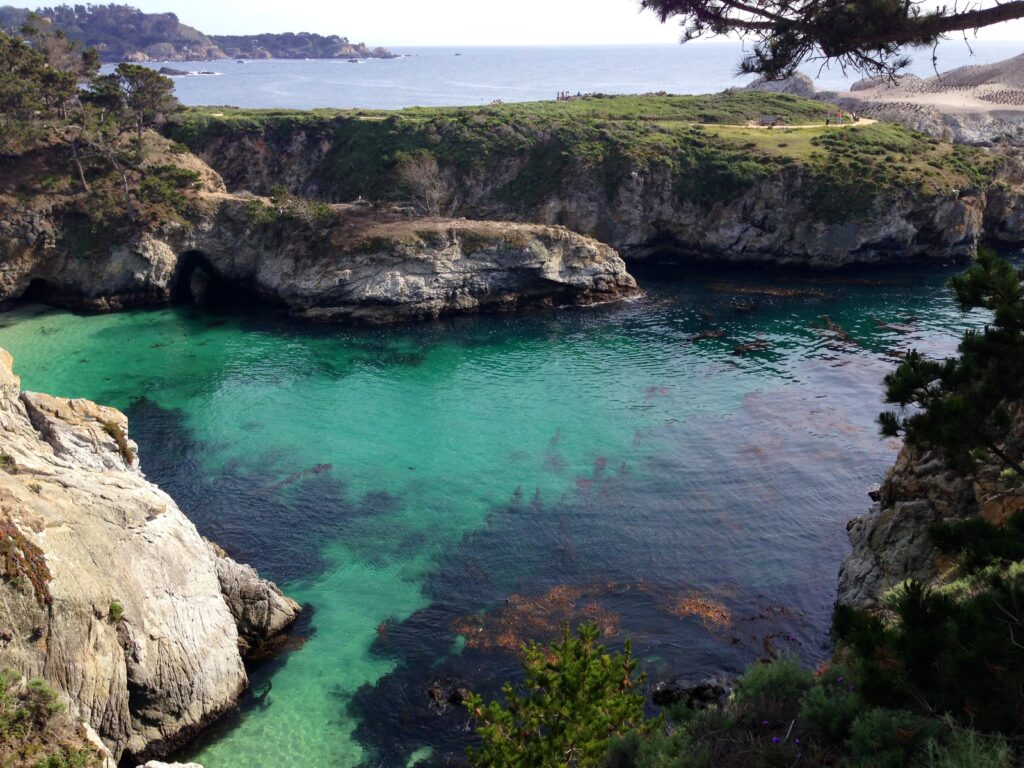
This protected coastal reserve features rocky coves, turquoise water, windswept cypress trees, and scenic hiking trails.
Visitors can explore popular areas such as Cypress Grove, Sea Lion Point, and Bird Island, depending on trail access.
Point Lobos is also an excellent place to observe marine wildlife, including sea otters, harbor seals, and seabirds.
Explore Garrapata State Park
Continue south to Garrapata State Park, where dramatic coastal bluffs and rugged beaches create some of Big Sur’s most impressive scenery.
The park features coastal walking trails, ocean viewpoints, and opportunities to photograph wildflowers during spring.
Garrapata is particularly appealing to travelers looking for beautiful scenery and relatively short coastal walks.
Drive Across Bixby Creek Bridge
Few landmarks represent Big Sur quite like Bixby Creek Bridge.
This impressive concrete arch bridge spans a deep canyon surrounded by coastal mountains and the Pacific Ocean.
Driving across the bridge is an unforgettable part of the Highway 1 experience.
Follow all posted parking restrictions, and never stop on the bridge or block traffic for photographs.
Enjoy Hurricane Point
Continue south toward Hurricane Point, where Highway 1 climbs high above the coastline.
The elevated landscape offers sweeping views of the Pacific Ocean, rugged cliffs, and the winding highway.
Enjoy the scenery from safe, legal stopping areas when available.
Arrive in Big Sur Village
Continue into Big Sur Village, where the landscape transitions from coastal cliffs to forested mountains and redwood groves.
Settle into your accommodations and enjoy dinner at one of the area’s restaurants.
Where to Stay: Big Sur Village
Spend your second night in Big Sur Village.
Consider Big Sur River Inn, Big Sur Lodge, or another nearby inn, cabin, or resort.
Staying in this area makes it easier to explore central Big Sur without repeatedly driving back to Carmel.
Day 3: Redwoods, Hiking, and the Heart of Big Sur
Your third day focuses on the natural beauty of central Big Sur.
Because you’re spending another night in the same area, you can enjoy a more relaxed experience without packing up and changing accommodations.
Explore Pfeiffer Big Sur State Park
Begin with a visit to Pfeiffer Big Sur State Park, one of the region’s most popular destinations for experiencing California’s coastal redwood forests.
The park features towering trees, the Big Sur River, and a variety of walking and hiking opportunities.
Choose a trail that matches your interests and fitness level. Some routes offer relaxing forest walks, while others climb through wooded hillsides.
Trail access can change because of weather, wildfires, and maintenance. Always verify current conditions before visiting.
Discover Big Sur Village
Spend some time exploring the small community of Big Sur Village.
Surrounded by mountains and redwood forests, the village offers restaurants, small shops, and opportunities to unwind.
Consider stopping at Big Sur River Inn or Big Sur Bakery for a meal.
The area also makes a convenient base for enjoying nearby attractions at your own pace.
Visit Pfeiffer Beach
For a different coastal experience, consider visiting Pfeiffer Beach.
This beautiful beach is known for its dramatic rock formations, powerful surf, and famous Keyhole Arch.
The rugged landscape makes it a popular destination for photographers and nature lovers.
Access is via a narrow road with limited parking. Check road conditions and follow all posted restrictions.
Swimming is not recommended because of dangerous surf and strong currents.
Enjoy the Views at Nepenthe
Another memorable stop is Nepenthe, a famous hillside restaurant overlooking the Pacific Ocean.
Its elevated setting provides sweeping coastal views and a unique dining atmosphere.
Whether you stop for a meal or simply appreciate the landscape, Nepenthe is one of Big Sur’s iconic destinations.
Where to Stay: Big Sur Village
Spend your third night in Big Sur Village.
Remaining at the same accommodation gives you more time to enjoy the area’s forests, restaurants, and peaceful surroundings.
For a special experience, consider an upscale resort or private cabin nestled among the redwoods.
Day 4: Discover the Remote Beauty of Southern Big Sur
The fourth day takes you farther south into one of the most scenic and remote sections of Highway 1.
This stretch of coastline offers dramatic cliffs, secluded beaches, rugged mountains, and fewer developed communities.
Unlike the previous days, the goal is to enjoy the journey and eventually settle into accommodations along the southern Big Sur coast.
Visit McWay Falls
Begin with a visit to McWay Falls in Julia Pfeiffer Burns State Park.
This beautiful waterfall descends from a coastal cliff into a secluded cove beside the Pacific Ocean.
Its combination of turquoise water, rugged cliffs, and cascading water makes it one of Big Sur’s most recognizable natural attractions.
Access to viewpoints may change because of erosion, storms, and restoration work. Always follow posted restrictions.
There is no public access to the beach beneath McWay Falls.
Explore the Southern Big Sur Coastline
Continue south along Highway 1 through a more remote section of the Santa Lucia Mountains.
The road winds past rugged coastal cliffs, forested hillsides, and expansive ocean views.
Depending on conditions and accessibility, consider exploring designated viewpoints near Limekiln State Park or other approved stops.
This portion of Big Sur rewards travelers who take their time and appreciate the scenery.
Relax at Sand Dollar Beach
One of southern Big Sur’s most enjoyable destinations is Sand Dollar Beach.
Located along the Los Padres National Forest coastline, this broad sandy beach offers a beautiful setting for beachcombing, photography, and coastal walks.
Access requires a walk from the parking area down to the beach.
Strong currents, powerful waves, and changing tides make swimming hazardous, so remain cautious around the water.
Experience an Overnight Stay in Southern Big Sur
Rather than continuing directly to San Simeon or Cambria, consider spending your final night along the southern Big Sur coastline.
This is an excellent opportunity to experience the region’s quieter atmosphere, especially after the daytime crowds have departed.
Depending on your preferred travel style, you can choose between camping beneath the stars or enjoying a unique glamping experience.
Where to Stay: Southern Big Sur
Spend your fourth and final night in southern Big Sur.
Kirk Creek Campground — Oceanfront Camping
Kirk Creek Campground is one of Big Sur’s most scenic camping destinations.
Perched on a coastal bluff overlooking the Pacific Ocean, the campground offers beautiful ocean views and a peaceful natural setting.
Sites accommodate tents and some recreational vehicles, although hookups are not available.
Facilities are basic, and campers should arrive with drinking water, supplies, and suitable camping equipment.
Plaskett Creek Campground — Camping Near Sand Dollar Beach
Plaskett Creek Campground provides another excellent option for camping in southern Big Sur.
Located near Sand Dollar Beach, the campground features grassy sites surrounded by coastal trees.
It’s a good choice for families, tent campers, and travelers who want easy access to beach walks and outdoor recreation.
Campground facilities and water availability can change, so verify current conditions and reservations before arrival.
Treebones Resort — A Unique Glamping Experience
For travelers looking to splurge, Treebones Resort offers one of the most distinctive overnight experiences in Big Sur.
This coastal glamping destination features comfortable yurts and other unique accommodations overlooking the Pacific Ocean.
Its remote location, natural surroundings, and ocean views make it especially appealing for couples seeking a memorable getaway.
Treebones generally requires a two-night minimum stay, although exceptions may be available by contacting the property. If a single-night reservation isn’t possible, consider adjusting your itinerary to spend additional time here.
Regardless of where you stay, southern Big Sur offers a wonderful opportunity to experience the region’s natural beauty away from busier destinations.
Day 5: Ragged Point, San Simeon, and Cambria
The final day of your five-day coastal journey takes you south toward San Simeon and Cambria.
This portion of the trip combines spectacular ocean scenery, wildlife viewing, California history, and charming seaside communities.
Enjoy the Views at Ragged Point
Continue south toward Ragged Point, often considered the southern gateway to Big Sur.
This scenic destination offers impressive coastal views from high above the Pacific Ocean.
The area also features dining options and places to relax while enjoying the surrounding landscape.
Visit the Piedras Blancas Elephant Seal Rookery
Continue toward San Simeon and the Piedras Blancas Elephant Seal Rookery.
This remarkable wildlife viewing area allows visitors to observe northern elephant seals along the coastline.
Depending on the season, you may encounter seals resting, molting, breeding, or caring for their young.
Designated viewing areas provide opportunities to observe these impressive animals without disturbing their habitat.
Tour Hearst Castle
One of California’s most remarkable historic landmarks is Hearst Castle, located in the hills above San Simeon.
This elaborate estate was developed by newspaper publisher William Randolph Hearst.
Visitors can explore the property’s architecture, art collections, gardens, and famous swimming pools through guided tours.
Reservations are recommended, and tour availability may vary.
Explore Moonstone Beach in Cambria
Continue south to Cambria and visit Moonstone Beach.
This scenic stretch of coastline features rocky beaches, coastal bluffs, and a beautiful boardwalk overlooking the Pacific Ocean.
It’s an excellent place for a leisurely walk, wildlife watching, or simply enjoying the ocean breeze.
Discover Cambria Village
Complete your Big Sur road trip in the charming coastal community of Cambria.
Known for its art galleries, boutique shops, restaurants, and relaxed atmosphere, Cambria offers a peaceful setting to conclude your adventure.
From here, travelers can continue south toward Morro Bay, San Luis Obispo, Santa Barbara, or other California destinations.
Where to Stay During Your Five-Day Big Sur Road Trip
Choosing accommodations strategically can make your trip more enjoyable and reduce unnecessary driving.
For this itinerary, consider dividing your four overnight stays between three locations.
| Night | Location | Recommended Accommodation Style |
|---|---|---|
| Night 1 | Carmel-by-the-Sea | Boutique hotel, inn, or vacation rental |
| Night 2 | Big Sur Village | Big Sur River Inn, Big Sur Lodge, or nearby cabin |
| Night 3 | Big Sur Village | Remain at the same accommodation |
| Night 4 | Southern Big Sur | Kirk Creek, Plaskett Creek, or Treebones Resort |
This approach offers several advantages.
You begin your vacation in Carmel, where you’ll find restaurants, shopping, and coastal attractions within easy reach.
Two nights in Big Sur Village allow you to explore the redwood forests, beaches, and central coastline without frequently changing accommodations.
Finally, spending your last night in southern Big Sur provides a memorable experience in one of the most remote sections of California’s Central Coast.
If you’re planning to stay at Treebones Resort, verify its minimum-night requirements before booking the rest of your accommodations.
Tips for Planning the Perfect 5-Day Big Sur Itinerary
Check Highway 1 Conditions
Highway 1 occasionally experiences closures caused by landslides, storms, wildfires, or construction. Before traveling, check Caltrans QuickMap and confirm that your intended route is accessible.
Reserve Accommodations in Advance
Lodging within Big Sur is limited compared with nearby coastal communities. Booking ahead provides more options, particularly during popular travel periods.
Prepare for Camping in Southern Big Sur
If you’re camping at Kirk Creek or Plaskett Creek, review the campground’s rules and facilities before arrival.
Bring drinking water, food, and other supplies appropriate for your campsite. Fire restrictions may apply, and cellular service can be extremely limited.
Download Offline Maps
Cellular reception can be unreliable throughout Big Sur. Download navigation maps and save important travel details before entering remote sections of Highway 1.
Bring Layers and Comfortable Walking Shoes
Coastal temperatures can change throughout the day. A jacket, comfortable shoes, and sun protection will help you prepare for different conditions.
Keep Your Itinerary Flexible
Fog, traffic, parking availability, and road conditions can affect your plans. Avoid scheduling too many activities in a single day.
Respect the Environment
Stay on designated trails, follow parking restrictions, observe wildlife from a safe distance, and leave natural areas as you found them.
Frequently Asked Questions About a Five-Day Big Sur Trip
Is five days enough to explore Big Sur?
Yes. Five days provides an excellent opportunity to explore Big Sur and nearby Central Coast communities.
You can experience iconic viewpoints, hike through redwood forests, visit beaches, enjoy local restaurants, and explore destinations such as Carmel and Cambria.
Where should you stay during a five-day Big Sur road trip?
A convenient approach is to spend your first night in Carmel-by-the-Sea, two nights in Big Sur Village, and your final night in southern Big Sur.
This arrangement allows you to explore the coastline progressively while minimizing unnecessary backtracking.
Is camping in southern Big Sur worth it?
Absolutely. Southern Big Sur offers some of the region’s most scenic campgrounds.
Kirk Creek provides dramatic oceanfront views, while Plaskett Creek offers a peaceful setting near Sand Dollar Beach.
Both are excellent choices for travelers interested in experiencing Big Sur’s natural surroundings.
Is Treebones Resort worth staying at?
Treebones Resort is a distinctive option for travelers who want to combine outdoor scenery with more comfortable accommodations.
Its ocean-view yurts and remote setting make it especially appealing for romantic getaways and special occasions.
However, minimum-stay requirements and availability should be confirmed before booking.
What is the best time of year for a Big Sur road trip?
Big Sur offers beautiful scenery throughout the year.
Spring brings wildflowers and green hillsides, while summer provides longer daylight hours. Fall often offers pleasant coastal conditions, and winter brings dramatic ocean scenery.
Always consider seasonal weather and potential road restrictions when planning your trip.
Can you complete this itinerary in reverse?
Yes. Travelers arriving from Southern California can begin near San Simeon or Cambria and travel north through Big Sur toward Carmel and Monterey.
Both directions provide spectacular coastal scenery.
Do you need a car to explore Big Sur?
A car is the most practical way to explore Big Sur because attractions are spread out along Highway 1 and public transportation options are limited.
Having your own vehicle provides the flexibility to visit scenic viewpoints, restaurants, beaches, and hiking areas at your own pace.
Final Thoughts: The Perfect Five-Day Big Sur Getaway
Spending five days in Big Sur gives you the opportunity to experience much more than the famous viewpoints along Highway 1.
From the charming streets of Carmel-by-the-Sea to the rugged cliffs of northern Big Sur, peaceful redwood forests, and remote southern coastline, every part of the journey offers something special.
By spending your first night in Carmel, two nights in Big Sur Village, and your final night along the southern coast, you can explore the region at a comfortable pace without unnecessary backtracking.
Whether you choose oceanfront camping at Kirk Creek, a peaceful stay at Plaskett Creek, or a unique glamping experience at Treebones Resort, your final night can become one of the most memorable parts of the trip.
The perfect 5-day Big Sur itinerary combines scenic driving, outdoor adventure, local dining, and time to relax.
For more travel inspiration, explore our guides to Best Time to Visit Big Sur, Best Hiking Trails in Big Sur, Scenic Stops Along Highway 1, and Where to Stay in Big Sur.