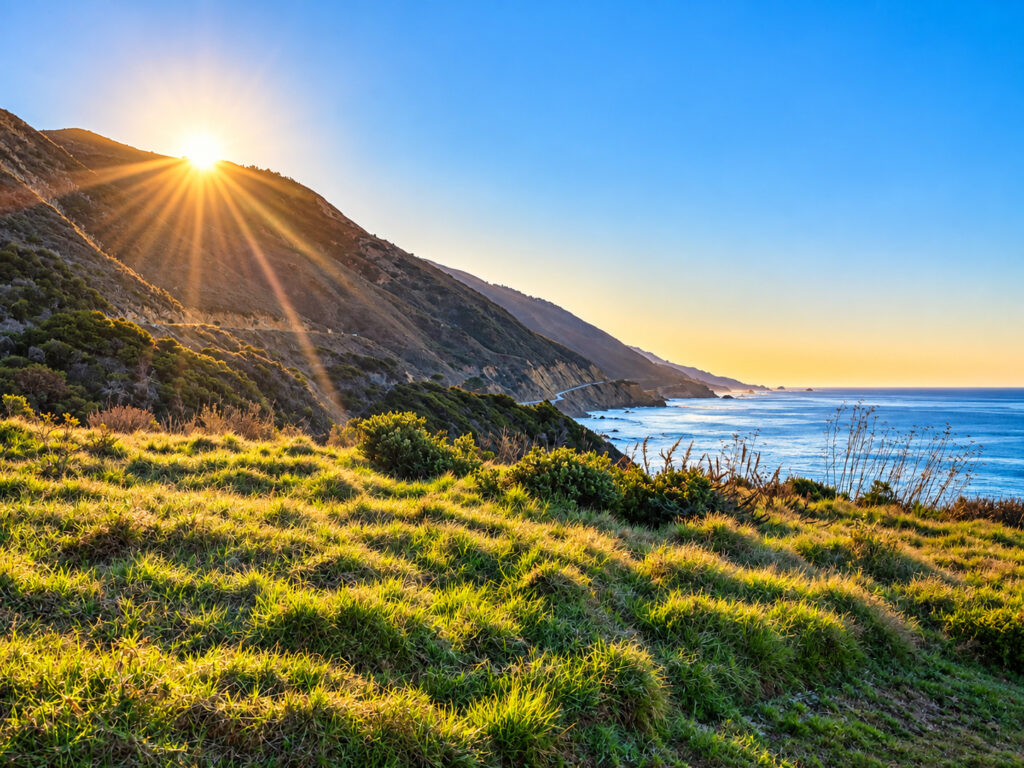
Backpacking in Big Sur offers a unique way to explore California’s rugged Central Coast. Beyond the famous Highway 1 viewpoints, remote trails lead into redwood forests, mountain ridges, and secluded wilderness camps.
The region features two major wilderness areas: Ventana Wilderness and Silver Peak Wilderness. Both offer overnight hiking opportunities through the Santa Lucia Mountains.
However, Big Sur backpacking requires careful preparation. Trails can be steep, water sources are sometimes unreliable, and access can change after storms or wildfires.
Whether you’re planning an overnight adventure or a multi-day trek, this guide covers popular routes, camping options, permits, and essential safety considerations.
What Makes Backpacking in Big Sur Unique?
Big Sur’s backcountry stretches inland from the Pacific Ocean into the Santa Lucia Mountains. Here, steep canyons, coastal redwoods, and rugged ridgelines create a diverse wilderness landscape.
Unlike the Sierra Nevada, Big Sur has a Mediterranean climate. Coastal areas often remain cool and foggy, while inland valleys can become extremely hot.
Additionally, many trails climb sharply from near sea level into the mountains. As a result, even relatively short hikes can require significant effort.
Backpackers may encounter coastal grasslands, chaparral, oak woodlands, and redwood forests during a single trip.
However, this remote environment also presents challenges. Overgrown trails, limited water, and unreliable cell service make preparation essential.
Where Can You Go Backpacking in Big Sur?
Most overnight backpacking opportunities are located within Los Padres National Forest. Two wilderness areas offer different landscapes and trail experiences.
Ventana Wilderness
Ventana Wilderness covers a large portion of Big Sur’s mountainous interior. Its rugged terrain includes deep river canyons, old-growth redwoods, and remote backcountry camps.
Popular routes include the Pine Ridge Trail, Kirk Creek Trail, and the Cone Peak trail network.
Some routes follow rivers and shaded canyons. Meanwhile, others climb exposed ridges with sweeping views of the Pacific Ocean.
Ventana Wilderness is especially appealing to experienced backpackers seeking solitude and challenging terrain.
Silver Peak Wilderness
Silver Peak Wilderness lies in the southern Big Sur region. Its trails cross oak-covered hillsides, coastal ridges, and forested canyons.
Popular backpacking routes include the Salmon Creek Trail, Buckeye Trail, and Cruikshank Trail.
Several established backcountry camps provide options for overnight trips. Additionally, connecting trails allow experienced hikers to plan longer routes.
However, conditions vary considerably. Always verify trail access and recent maintenance reports before selecting a route.
Best Backpacking Trails in Big Sur
Big Sur offers several established backpacking routes. Some work well for an overnight trip, while others require multiple days.
The following options are worth researching when planning your adventure.
Pine Ridge Trail to Sykes Camp
- Starting point: Big Sur Station
- Distance: Approximately 20 miles round trip
- Difficulty: Strenuous
- Typical duration: 2–3 days
- Highlights: Redwood forests, mountain views, and the Big Sur River
The Pine Ridge Trail is one of Big Sur’s best-known backcountry routes. It travels inland through the Ventana Wilderness toward Sykes Camp.
Along the way, hikers encounter steep hillsides, forested canyons, and several established wilderness camps.
The route eventually reaches the Big Sur River near Sykes Camp. The area is also known for natural hot springs.
However, river crossings, landslides, and wildfire damage can affect access. The route has experienced extended closures, so confirming current conditions is essential.
This trip is best suited to experienced backpackers comfortable with long distances and remote terrain.
Kirk Creek Trail to Vicente Flat Camp
- Starting point: Kirk Creek Trailhead along Highway 1
- Distance: Approximately 10 miles round trip
- Difficulty: Moderate to strenuous
- Typical duration: 1–2 nights
- Highlights: Coastal views, redwood groves, and mountain scenery
The Kirk Creek Trail provides a memorable transition from the Pacific coastline into the mountains.
The route begins near Highway 1 and climbs through open hillsides. Along the way, hikers enjoy views of the ocean and surrounding coastal ridges.
Eventually, the trail enters shaded forest and reaches Vicente Flat Camp.
This established backcountry camp sits among impressive redwood trees. Additionally, nearby creeks may provide water when conditions allow.
The climb and exposed sections can be demanding, particularly during warm weather.
For backpackers seeking a combination of coastal views and forest camping, Vicente Flat is a popular option when accessible.
Salmon Creek Trail to Spruce Creek and Estrella Camps
- Starting point: Salmon Creek Trailhead
- Distance: Varies by destination
- Difficulty: Moderate to strenuous
- Typical duration: 1–2 nights
- Highlights: Forested canyons, seasonal waterfalls, and creekside camps
The Salmon Creek Trail explores the southern Big Sur backcountry within the Silver Peak Wilderness.
The trail climbs inland from Highway 1 through oak woodlands and forested canyon terrain.
Spruce Creek Camp offers an option for a shorter overnight trip. Meanwhile, hikers seeking a longer route can continue toward Estrella Camp.
Both destinations provide access to a more secluded wilderness setting.
However, creek crossings and water conditions change throughout the year. Trails may also become overgrown or damaged after storms.
Before departing, verify the route’s condition and available water sources.
Buckeye Trail and Buckeye Flat Camp
- Starting point: Southern Big Sur near Salmon Creek
- Distance: Varies by route
- Difficulty: Moderate to strenuous
- Typical duration: 1–3 nights
- Highlights: Coastal ridges, mountain scenery, and remote camps
The Buckeye Trail travels through the Silver Peak Wilderness along Big Sur’s coastal mountains.
Its elevated sections offer broad views of the Pacific Ocean. Meanwhile, oak woodlands and forested valleys provide a contrasting landscape.
Buckeye Flat Camp is an established overnight destination along the route.
Additionally, the Buckeye Trail connects with other trails in the Silver Peak network. These connections create options for longer backpacking trips.
However, route conditions and campsite water availability can vary. Careful navigation and current trail information are important.
Cone Peak and Stone Ridge Trail Network
- Starting area: Cone Peak and Vicente Flat trail network
- Distance: Varies considerably by route
- Difficulty: Strenuous
- Typical duration: 2–4 days
- Highlights: Mountain summits, coastal panoramas, and redwood forests
Cone Peak rises more than 5,000 feet above the Pacific coastline. Its dramatic elevation makes the surrounding trail network particularly challenging.
Backpackers can explore routes connecting Vicente Flat, Stone Ridge, and the Cone Peak area.
These trails cross steep ridges, shaded canyons, and remote wilderness terrain. Some sections also offer extensive views of the Big Sur coastline.
However, several routes require demanding climbs and careful navigation.
Road closures, wildfire damage, and overgrown trails can also complicate access. Therefore, these trips are best reserved for experienced backpackers with reliable maps and current route information.
Overnight Backpacking vs. Developed Camping
Big Sur offers both remote wilderness camping and established campgrounds. However, these experiences differ significantly.
Backcountry camping involves hiking into remote areas with your shelter, food, water treatment equipment, and other supplies. Facilities are usually minimal or nonexistent.
In contrast, developed campgrounds provide designated campsites and may offer restrooms, drinking water, and other amenities.
For beginners, a shorter hike-in camping experience may be a practical introduction.
Andrew Molera Trail Camp
Andrew Molera State Park offers a hike-in campground near the Big Sur River.
The campground sits approximately one-quarter mile from the designated parking area. Therefore, it offers a convenient introduction to carrying camping equipment on foot.
Unlike wilderness camps, the campground has established sites and basic facilities.
Reservations are required, and seasonal closures may apply.
Although this is not a remote backpacking trip, it can serve as a useful first overnight experience.
Do You Need a Permit to Backpack in Big Sur?
Permit requirements depend on the land management agency and the type of camping.
For many open wilderness routes in Los Padres National Forest, backpackers generally do not need an advance overnight wilderness permit.
However, this does not mean camping is permitted everywhere. Area closures, campsite restrictions, and other regulations still apply.
Campfire and stove permits are separate requirements.
A California Campfire Permit is generally required when using a portable stove or building a permitted campfire on National Forest lands outside designated exempt areas.
Additionally, seasonal fire restrictions may prohibit campfires entirely. Extreme conditions can also limit stove use.
State park campgrounds follow different rules and typically require reservations.
Before traveling, confirm all requirements with the U.S. Forest Service or California State Parks.
When Is the Best Time to Go Backpacking in Big Sur?
Big Sur offers backpacking opportunities across different seasons. However, weather and trail conditions vary considerably.
Spring: Green hillsides, wildflowers, and flowing streams create beautiful scenery. However, rainfall can increase creek levels and complicate crossings.
Summer: Coastal fog provides cooler conditions near the ocean. Meanwhile, inland valleys can become dangerously hot and dry.
Fall: Cooler temperatures may improve hiking conditions. Nevertheless, dry vegetation and wildfire restrictions require attention.
Winter: Rain brings greener landscapes and stronger streamflows. However, storms, landslides, and flooded crossings can make routes hazardous.
For many backpackers, spring and fall offer a balance of comfortable temperatures and scenic conditions.
However, the safest season depends on the specific route, recent rainfall, and current restrictions.
Water Sources and Food Storage
Water availability is one of the most important considerations when backpacking in Big Sur.
Some established camps sit near streams or rivers. However, smaller water sources can become unreliable during dry periods.
Never assume that a creek shown on a map will contain water.
Before departing, check recent trail reports and identify alternative water sources. Additionally, carry enough water to reach your next confirmed supply.
Always filter, boil, or otherwise properly treat backcountry water before drinking.
Food storage also deserves attention. Black bears inhabit the Santa Lucia Mountains, and smaller animals may enter campsites.
Use a suitable bear-resistant food canister when possible. Store food, trash, and scented items securely.
Furthermore, never feed wildlife or leave food unattended.
Essential Backpacking Gear for Big Sur
A successful backpacking trip requires equipment suited to steep terrain and changing coastal weather.
Consider carrying:
- Backpack and shelter: A properly fitted backpack, lightweight tent, and suitable sleeping system.
- Navigation equipment: Offline maps, compass, and GPS device.
- Water treatment: A reliable filter or purification system, plus adequate water capacity.
- Layered clothing: Warm layers, rain protection, and sun-protective clothing.
- Footwear: Hiking shoes or boots with dependable traction.
- Food and stove: Lightweight meals and a stove that complies with current fire restrictions.
- Emergency supplies: First-aid kit, headlamp, whistle, and emergency shelter.
- Satellite communicator: Useful because cellular coverage is unreliable.
- Trekking poles: Helpful on steep climbs, loose surfaces, and uneven trails.
Additionally, bring sun protection and consider long pants for brush and poison oak.
Pack carefully, but avoid sacrificing essential safety equipment to reduce weight.
Backpacking Safety in Big Sur
Big Sur’s backcountry can be more challenging than its moderate elevations suggest.
Steep slopes, narrow trails, loose rock, and dense vegetation create demanding travel conditions.
Several hazards deserve special attention.
Wildfires and closures: Fire activity and damaged trails can restrict access for extended periods. Never enter closed wilderness areas.
Heat and dehydration: Inland temperatures can become significantly warmer than coastal conditions. Carry adequate water and avoid strenuous climbs during extreme heat.
Creek crossings: Water levels may rise rapidly after rainfall. Never attempt a crossing when the current is unsafe.
Poison oak and ticks: Both are common in the region. Stay on established trails and check clothing and skin after hiking.
Limited cell service: Many backcountry areas lack reliable reception. Share your itinerary with someone before departing.
Navigation challenges: Overgrown trails and damaged intersections can make route-finding difficult. Carry offline maps and know how to use them.
Finally, always have a backup plan. Turning around is the safest choice when conditions exceed your experience or equipment.
Leave No Trace in the Big Sur Wilderness
Responsible backpacking helps protect Big Sur’s fragile natural environment.
Use established trails and camps whenever possible. Additionally, avoid creating new campsites or damaging vegetation.
Pack out all trash, including food scraps and hygiene products.
Use approved methods for human waste disposal and follow current local restrictions. Keep waste and washing activities away from water sources.
Furthermore, respect wildlife and avoid disturbing sensitive habitats.
Campfires should never be assumed permissible. Always follow current fire regulations and consider using a portable stove when allowed.
These practices help preserve Big Sur’s wilderness for future visitors.
Frequently Asked Questions About Backpacking in Big Sur
Can You Backpack in Big Sur?
Yes. Big Sur offers overnight backpacking opportunities within Ventana Wilderness and Silver Peak Wilderness.
However, access depends on current trail conditions, land management restrictions, and wildfire closures.
What Is the Best Beginner Backpacking Trip in Big Sur?
Vicente Flat is a commonly considered overnight destination when the Kirk Creek Trail is open. However, the climb requires reasonable fitness and preparation.
For a less demanding introduction, Andrew Molera Trail Camp offers a short hike-in camping experience with established facilities.
Do You Need Reservations for Backcountry Camping?
Many wilderness camps in Los Padres National Forest do not require reservations. However, wilderness regulations and closures still apply.
In contrast, developed campgrounds within California State Parks generally require reservations.
Are Campfires Allowed While Backpacking in Big Sur?
Campfire restrictions vary with fire conditions and land management rules.
Wood fires are often prohibited in backcountry areas. Additionally, portable stoves may require a California Campfire Permit.
Always check current restrictions before traveling.
Are There Bears in Big Sur?
Yes. Black bears inhabit portions of the Santa Lucia Mountains.
Although encounters are uncommon, backpackers should secure food and scented items to prevent wildlife conflicts.
Can You Backpack Along the Big Sur Coastline?
Some trails provide coastal views and access to nearby mountain camps.
However, Big Sur does not offer a continuous public beach backpacking route along Highway 1. Much of the shoreline consists of steep cliffs, private property, and protected areas.
Therefore, use established wilderness trails rather than attempting to follow the coastline.
Plan Your Big Sur Backpacking Adventure
Backpacking in Big Sur offers a different perspective of California’s Central Coast.
Beyond Highway 1, wilderness trails reveal remote redwood groves, quiet mountain camps, and sweeping coastal views.
From overnight trips to Vicente Flat to longer adventures in Silver Peak Wilderness, the region offers routes for different experience levels.
However, preparation is essential. Trail conditions, water availability, wildfire restrictions, and weather can change quickly.
Before traveling, confirm that your route is open, review recent trail reports, and prepare for the challenges of remote wilderness travel.
For more outdoor adventures, explore our guides to the best hikes in Big Sur, camping along Highway 1, and planning a Big Sur road trip.