Outdoor Adventures & Experiences
Big Sur offers countless opportunities to explore California’s spectacular Central Coast. From scenic coastal hikes to peaceful redwood forests, the region combines outdoor adventure with unforgettable natural scenery.
The best things to do in Big Sur go beyond sightseeing along Highway 1. Visitors can explore sandy beaches, hike coastal trails, discover historic landmarks, and spend nights surrounded by nature.
Whether you’re planning a family adventure, weekend getaway, or California road trip, Big Sur offers activities for different interests and experience levels.
Here are five unique ways to get outside, explore, and experience Big Sur.
Before You Explore Big Sur
Highway 1 and local attractions may experience temporary closures due to storms, landslides, wildfires, or maintenance. Before traveling, check Caltrans QuickMap and current California State Parks notices. Always confirm that your destination is accessible.
Top 5 Things to Do in Big Sur
1. Explore Pfeiffer Beach and Its Famous Rock Formations
Pfeiffer Beach is one of Big Sur’s most recognizable coastal destinations. Known for its dramatic rock formations and unusual purple sand, the beach offers a distinctive natural setting.
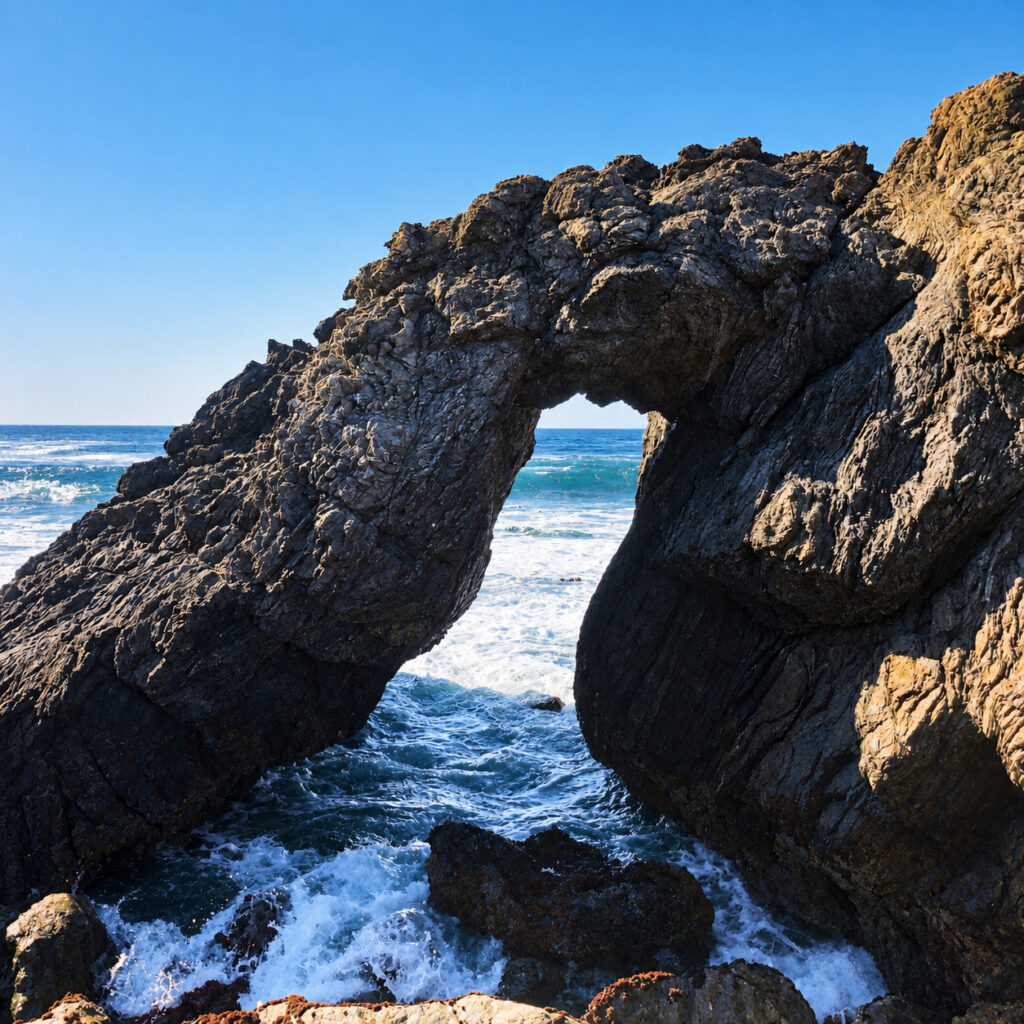
Its most famous landmark is Keyhole Arch, a massive rock formation with an opening facing the Pacific Ocean.
Meanwhile, the surrounding cliffs and powerful waves create a dramatic coastal landscape.
Visitors can enjoy walking along the sandy shoreline, observing rock formations, and photographing the scenery from safe locations.
The beach is also known for patches of purple sand. These colors come from manganese garnet minerals found in the surrounding hills.
Location and Access
Pfeiffer Beach is located west of Highway 1 near the central Big Sur area. Visitors reach the beach through Sycamore Canyon Road.
The access road is narrow, and parking is limited. Additionally, a day-use parking fee generally applies.
Although the beach is a popular attraction, strong currents and unpredictable waves make swimming dangerous.
Best for: Beach walks, coastal photography, rock formations, and families exploring from a safe distance.
2. Hike the Coastal Trails at Garrapata State Park
Garrapata State Park offers some of Big Sur’s most accessible coastal hiking scenery.
Located near the northern entrance to Big Sur, the park features rugged ocean bluffs, open grasslands, rocky coves, and seasonal wildflowers.
Several established trails follow the coastline, providing sweeping views of the Pacific Ocean.
Soberanes Point is one of the park’s most recognizable locations. Here, coastal trails wind around dramatic headlands overlooking the water.
During spring, colorful wildflowers brighten the surrounding hillsides. Additionally, visitors may spot seabirds, sea otters, and migrating whales.
Location and Access
Garrapata State Park sits along Highway 1 south of Carmel-by-the-Sea.
Visitors can access the coastal trail system through designated gates and roadside parking areas.
Trail distances vary depending on the route. Therefore, visitors can choose shorter walks or explore longer coastal sections.
However, steep cliffs and powerful ocean waves require caution. Always stay on established trails and away from exposed rocks.
Best for: Scenic hiking, coastal photography, wildlife viewing, and outdoor exploration.
3. Walk Among the Redwoods at Pfeiffer Big Sur State Park
Pfeiffer Big Sur State Park offers a different perspective of Big Sur’s natural beauty.
Instead of rugged ocean cliffs, visitors encounter towering coastal redwoods, shaded forest trails, and the winding Big Sur River.
The park is one of the region’s primary destinations for forest hiking and outdoor recreation.
Several trails provide opportunities for shorter nature walks. Meanwhile, more challenging routes climb into the surrounding Santa Lucia Mountains.
The River Path and Redwood Grove Boardwalk are especially appealing for visitors interested in an easier forest experience.
Additionally, designated picnic areas provide opportunities to relax among the trees.
Location and Access
Pfeiffer Big Sur State Park is located in the central Big Sur valley along Highway 1.
The park has designated day-use parking areas, campgrounds, and visitor facilities.
However, individual trails may close because of storms, wildfires, or maintenance.
Visitors should check current trail conditions before arriving.
Best for: Redwood forests, family walks, nature photography, and picnics.
4. Take a Guided Tour of Point Sur Lighthouse
Point Sur Lighthouse offers an opportunity to explore Big Sur’s maritime history.
The lighthouse sits atop a large volcanic rock formation rising approximately 361 feet above the Pacific Ocean.
First illuminated in 1889, the lighthouse helped guide ships navigating California’s rugged coastline.
Today, Point Sur State Historic Park preserves the historic light station and several surrounding buildings.
Visitors can learn about lighthouse keepers, maritime navigation, and the challenges of living along this remote coastline.
Additionally, the elevated location provides impressive coastal views.
Location and Access
Point Sur Lighthouse is located along Highway 1 north of central Big Sur.
Unlike an ordinary roadside attraction, the historic light station is accessible only through guided tours.
The experience includes an uphill walk and stairs. Therefore, visitors should consider their mobility and physical abilities before attending.
Tour schedules and availability can change because of weather or operational conditions.
Check the official Point Sur State Historic Park website for current tour information.
Best for: Families with older children, history enthusiasts, coastal scenery, and guided experiences.
5. Camp Along the Big Sur Coastline at Kirk Creek
Camping offers one of the most immersive ways to experience Big Sur.
Instead of visiting for a few hours, overnight guests can enjoy the changing coastal scenery from morning through evening.
Kirk Creek Campground is one of Big Sur’s distinctive coastal camping destinations.
Located on a bluff above the Pacific Ocean, the campground features open views of the coastline and surrounding mountains.
Visitors can enjoy ocean scenery, watch the changing light across the water, and explore nearby recreational areas.
Additionally, established hiking trails provide access to the surrounding Los Padres National Forest when open.
The campground offers sites for tents and recreational vehicles.
Location and Access
Kirk Creek Campground is located along Highway 1 in southern Big Sur.
Facilities are relatively basic, and campers must bring their own drinking water. Cellular service is also unreliable.
Campground reservations and availability may vary. Therefore, visitors should confirm current arrangements before planning an overnight stay.
Additionally, campfire restrictions can change with seasonal wildfire conditions.
Best for: Camping, ocean views, outdoor enthusiasts, and overnight coastal adventures.
Which Big Sur Activity Should You Choose?
Each activity offers a different way to experience Big Sur.
For beach scenery, Pfeiffer Beach features dramatic rock formations and a distinctive shoreline.
Visitors interested in hiking may prefer Garrapata State Park and its coastal trail network. Meanwhile, Pfeiffer Big Sur State Park offers shaded redwood trails and riverside scenery.
Point Sur Lighthouse provides a guided experience focused on local history and maritime heritage.
Finally, Kirk Creek Campground offers an overnight adventure overlooking the Pacific Ocean.
Your best choice depends on your interests, available time, and current access conditions.
Best Time to Enjoy Outdoor Activities in Big Sur
Big Sur offers outdoor recreation throughout much of the year. However, weather conditions vary by season.
Spring: Green hillsides, wildflowers, and flowing streams create beautiful landscapes. However, rainfall can affect trail conditions.
Summer: Longer days provide more time for outdoor activities. Meanwhile, coastal fog is common, and popular areas can become busy.
Fall: Clearer coastal skies and comfortable temperatures often make this an appealing season for hiking and sightseeing.
Winter: Dramatic ocean scenery and green landscapes attract visitors. Nevertheless, storms and road closures can limit access.
For many travelers, spring and fall offer a favorable combination of comfortable weather and scenic conditions.
Planning Your Big Sur Outdoor Adventure
Big Sur’s remote setting requires more preparation than many coastal destinations.
Attractions are spread along Highway 1, and services can be limited. Additionally, road and trail conditions may change unexpectedly.
Before visiting, consider these tips:
- Check Highway 1: Confirm that roads leading to your destination are open.
- Review park access: Check trail closures, visitor restrictions, and parking availability.
- Wear suitable clothing: Bring layers for coastal fog, wind, and changing temperatures.
- Carry water and snacks: Services are limited outside developed areas.
- Download offline maps: Cellular reception is unreliable throughout much of Big Sur.
- Stay on designated trails: Avoid unstable cliffs, restricted areas, and unsafe shoreline access.
- Respect wildlife: Observe animals from a safe distance and avoid disturbing natural habitats.
Most importantly, treat the coastline with caution. Cold water, powerful surf, and unexpected waves create serious hazards even during clear weather.
Frequently Asked Questions About Things to Do in Big Sur
What Are the Best Things to Do in Big Sur?
Popular activities include hiking, beach walks, redwood forest exploration, guided lighthouse tours, and camping.
Garrapata State Park, Pfeiffer Beach, and Pfeiffer Big Sur State Park offer several outdoor recreation opportunities.
Are There Fun Activities in Big Sur for Families?
Yes. Families can enjoy short redwood walks, designated picnic areas, and scenic beach visits.
Point Sur Lighthouse also offers educational guided tours. However, its steep walking route may not suit younger children.
Always choose activities based on children’s abilities and current conditions.
Can You Swim at Big Sur Beaches?
Swimming is generally discouraged along much of the Big Sur coastline.
Cold water, powerful shorebreak, rip currents, and sneaker waves create dangerous conditions.
Therefore, visitors should focus on beach walks and enjoying the coastal scenery from safe locations.
What Are the Best Outdoor Activities in Big Sur?
Hiking and coastal exploration are among Big Sur’s most popular outdoor activities.
Additionally, visitors can enjoy camping, wildlife viewing, and guided cultural experiences.
However, access depends on current park and trail conditions.
Can You Camp Along the Big Sur Coastline?
Yes. Established campgrounds include Kirk Creek, Plaskett Creek, and several campgrounds within the central Big Sur area.
However, reservations, campground facilities, and fire restrictions vary.
Always confirm availability before traveling.
How Many Days Do You Need to Explore Big Sur?
A one-day visit allows time for a few major attractions. However, a weekend provides greater flexibility for hiking and other outdoor activities.
With three days, visitors can explore both coastal and forest environments at a more relaxed pace.
Discover Big Sur Through Outdoor Adventure
Big Sur offers more than scenic views from Highway 1. Its beaches, forests, trails, and historic landmarks invite visitors to explore California’s Central Coast.
Whether you’re walking along Pfeiffer Beach, hiking Garrapata’s coastal bluffs, or camping above the Pacific Ocean, each experience reveals a different side of the region.
These five things to do in Big Sur provide a starting point for an active coastal getaway.
However, planning remains important. Check road conditions, confirm park access, and choose activities that match your interests and abilities.
For more ideas, explore our guides to the best hiking trails in Big Sur, Big Sur beaches, camping, and planning a Highway 1 road trip.