Planning a trip to Big Sur? This guide is intended to answer the most Frequently Asked Questions.
Visiting Big Sur requires more planning than a typical coastal getaway. Highway 1 is the main access road, attractions are spread across the region, and services can be limited.
Whether you’re planning a day trip, weekend getaway, or California road trip, these Big Sur FAQs answer common travel questions. Learn about driving directions, weather, accommodations, hiking, beaches, and other essential information before your visit.
Important: Check Highway 1 Conditions Before Traveling
Highway 1 through Big Sur may experience temporary closures due to landslides, storms, wildfires, or road construction. Therefore, always check Caltrans QuickMap for current highway conditions before departing.
General Questions About Big Sur
Where Is Big Sur Located?
Big Sur is located along California’s Central Coast in Monterey County. The region stretches roughly 90 miles between Carmel-by-the-Sea and the San Simeon area.
Here, the Santa Lucia Mountains rise sharply above the Pacific Ocean. Highway 1 connects the region’s coastal communities, state parks, and scenic landmarks.
Unlike many destinations, Big Sur is not a single town. Instead, it encompasses a large and mostly undeveloped coastal area.
What Is Big Sur Famous For?
Big Sur is famous for its rugged coastline, dramatic cliffs, towering redwoods, and scenic Highway 1.
Recognizable landmarks include Bixby Creek Bridge, McWay Falls, and Pfeiffer Beach. Additionally, the region features hiking trails, state parks, secluded coves, and ocean-view restaurants.
Big Sur is also known for its natural beauty and relatively remote setting.
Is Big Sur Worth Visiting?
Yes. Big Sur is one of California’s most distinctive coastal destinations.
Visitors can explore scenic overlooks, redwood forests, state parks, and coastal trails. Meanwhile, restaurants, galleries, and unique accommodations provide additional experiences.
However, Big Sur is best suited to travelers who appreciate nature, scenic drives, and outdoor activities.
Is Big Sur a National Park?
No. Big Sur is a geographic region rather than a national park.
However, it contains several California state parks, including Pfeiffer Big Sur, Andrew Molera, Garrapata, and Julia Pfeiffer Burns.
Additionally, Los Padres National Forest protects large portions of the surrounding Santa Lucia Mountains.
Getting to Big Sur and Highway 1
How Do You Get to Big Sur?
Most visitors reach Big Sur by driving along California Highway 1.
Travelers approaching from the north typically pass through Monterey and Carmel-by-the-Sea. Meanwhile, visitors from the south often travel through San Luis Obispo, Morro Bay, Cambria, and San Simeon.
However, Highway 1 closures can affect access from either direction.
For detailed directions, explore our Getting to Big Sur travel guide.
How Far Is Big Sur from San Francisco?
Central Big Sur is approximately 150 miles south of San Francisco.
The drive generally takes three hours or more, depending on traffic and road conditions.
Additionally, travelers may want to stop in Monterey or Carmel before continuing south.
How Far Is Big Sur from Los Angeles?
Central Big Sur is roughly 300 miles from Los Angeles, depending on the chosen route.
The journey typically takes six hours or longer without extended stops.
However, visiting Santa Barbara, San Luis Obispo, Morro Bay, or Cambria can turn the drive into a longer coastal adventure.
What Is the Closest Airport to Big Sur?
Monterey Regional Airport (MRY) is the closest commercial airport to northern Big Sur.
San Jose International Airport (SJC) and San Francisco International Airport (SFO) provide additional flight options.
Meanwhile, San Luis Obispo County Regional Airport (SBP) serves travelers exploring the southern Central Coast.
Because Big Sur has limited transportation services, renting a vehicle is generally the most practical option.
Is Highway 1 Through Big Sur Open?
Highway 1 is the main transportation route through Big Sur. However, sections may temporarily close because of landslides, storms, wildfires, or construction.
Consequently, travelers should never assume the entire coastal route is open.
Check Caltrans QuickMap before traveling. When closures prevent through-travel, US Highway 101 generally serves as the main inland alternative.
Can You Visit Big Sur Without a Car?
Yes, but visiting without a car can be challenging.
Big Sur has limited public transportation, and major attractions are spread along Highway 1.
Organized tours and private transportation may provide alternatives. However, renting a car generally offers the greatest flexibility.
Weather and Best Time to Visit Big Sur
What Is the Best Time to Visit Big Sur?
The best time to visit Big Sur is generally during September through November or March through May.
These shoulder seasons often provide comfortable temperatures and fewer crowds than summer.
Fall typically brings clearer coastal skies. Meanwhile, spring offers green hillsides, wildflowers, and flowing waterfalls.
What Months Have the Best Weather in Big Sur?
September and October often provide some of Big Sur’s clearest coastal weather.
During these months, summer fog becomes less persistent, improving visibility along Highway 1.
April and May are also attractive months, especially for hiking and spring scenery.
However, coastal weather can change quickly throughout the year.
Is Big Sur Foggy in Summer?
Yes. Coastal fog is common during summer, especially in June, July, and August.
The marine layer often covers the coastline during mornings. Sometimes, the fog clears by afternoon.
However, inland valleys can remain sunny and significantly warmer than coastal areas.
Does It Rain in Big Sur?
Yes. Most rainfall occurs during California’s cooler months, generally from late fall through early spring.
Winter storms can bring heavy rain, strong winds, and dangerous ocean conditions.
Additionally, saturated hillsides may increase the risk of landslides and trail closures.
Therefore, winter visitors should monitor weather forecasts and road conditions.
Things to Do in Big Sur
What Are the Best Things to Do in Big Sur?
Popular activities include hiking, scenic driving, beach walks, wildlife viewing, and exploring state parks.
Notable attractions include McWay Falls, Pfeiffer Beach, Bixby Creek Bridge, and Point Sur Lighthouse.
Additionally, visitors can explore restaurants, art galleries, and local gift shops.
For more ideas, read our Best Things to Do in Big Sur guide.
What Are the Best Hiking Trails in Big Sur?
Big Sur offers hiking trails for different experience levels.
Popular options include coastal paths at Garrapata State Park, meadow trails at Andrew Molera State Park, and forest walks at Pfeiffer Big Sur State Park.
Meanwhile, experienced hikers can explore more demanding routes in the surrounding wilderness.
However, storms, wildfires, and maintenance may affect trail access. Always check current conditions before hiking.
Can You Visit McWay Falls?
McWay Falls is located inside Julia Pfeiffer Burns State Park. The 80-foot waterfall drops into a secluded coastal cove.
Visitors can admire the waterfall from designated viewing areas when access is permitted.
However, the overlook trail may close for maintenance or safety reasons.
Access to the beach and waterfall base is strictly prohibited.
Check California State Parks for the latest visitor information.
Can You Stop at Bixby Bridge?
Bixby Creek Bridge is one of Big Sur’s most recognizable landmarks. However, it was built as a highway crossing rather than a designated scenic attraction.
Parking near the bridge is restricted, and Highway 1 carries regular vehicle traffic.
Additionally, steep cliffs and unstable terrain create significant hazards.
Therefore, motorists should avoid unsafe roadside stops and appreciate the landmark while traveling responsibly along Highway 1.
Does Big Sur Have Sandy Beaches?
Yes. Big Sur has several sandy beaches, including Pfeiffer Beach, Sand Dollar Beach, and Garrapata State Beach.
These locations feature rugged cliffs, rock formations, and beautiful coastal scenery.
However, many beaches require walking from designated parking areas. Access may also change because of weather or safety restrictions.
Can You Swim at Big Sur Beaches?
Swimming is generally not recommended along much of the Big Sur coastline.
Cold ocean temperatures, powerful shorebreak, rip currents, and sneaker waves create dangerous conditions.
Additionally, many beaches lack lifeguards and nearby emergency services.
Visitors should prioritize sightseeing and coastal walks while remaining a safe distance from the water.
Accommodations, Camping, and Dining
Where Should You Stay in Big Sur?
Big Sur offers several types of accommodations, including luxury resorts, rustic cabins, inns, and campgrounds.
Popular lodging properties include Post Ranch Inn, Alila Ventana Big Sur, Big Sur River Inn, and Fernwood Resort.
Additionally, Monterey and Carmel provide convenient lodging for visitors approaching from the north.
Meanwhile, Cambria and San Simeon offer options near the southern approach.
Can You Camp in Big Sur?
Yes. Big Sur offers developed campgrounds and backcountry camping opportunities.
Popular options include Pfeiffer Big Sur State Park, Kirk Creek Campground, Plaskett Creek Campground, and private camping facilities.
However, campground reservations, fire restrictions, and access rules vary.
Therefore, always confirm availability and regulations before traveling.
Are There Restaurants in Big Sur?
Yes. Big Sur has restaurants, cafés, bakeries, and casual dining establishments along Highway 1.
Dining options include Nepenthe, Big Sur Bakery, Fernwood Tavern, and Big Sur River Inn Restaurant.
Some offer coastal views, while others sit among redwoods or beside the Big Sur River.
However, operating hours and meal services can vary. Check directly with each restaurant before visiting.
Practical Big Sur Travel Questions
How Many Days Do You Need in Big Sur?
Two or three days provide a good introduction to Big Sur.
A one-day visit allows time for a scenic drive and several established attractions. However, longer stays provide more flexibility for hiking and exploring.
For a relaxed road trip, consider spending a night within Big Sur or in a nearby coastal community.
Is Big Sur Expensive to Visit?
Big Sur can be more expensive than many nearby destinations.
Its remote location, limited accommodations, and transportation costs contribute to higher prices.
However, visitors can manage expenses by choosing campgrounds, casual restaurants, and free or lower-cost outdoor activities.
Additionally, staying in Monterey or Cambria may provide more lodging choices.
Is There Cell Phone Service in Big Sur?
Cell phone reception is limited and unreliable throughout much of Big Sur.
Some developed areas may have service, while remote sections of Highway 1 and inland trails often have little or no coverage.
Therefore, download offline maps before traveling. Also, share your plans with someone if hiking into remote areas.
Are Dogs Allowed in Big Sur?
Yes, but restrictions vary by location.
Some campgrounds, beaches, and designated walking paths allow leashed dogs.
However, most California State Park hiking trails prohibit pets. For example, Pfeiffer Big Sur State Park permits leashed dogs on the River Path and Warden’s Path.
Always confirm individual park rules before bringing your dog.
Is Big Sur Safe for Families With Kids?
Yes. Families can enjoy Big Sur’s redwood forests, designated viewpoints, and shorter nature walks.
However, parents should carefully select activities based on children’s ages and abilities.
Steep cliffs, strong ocean currents, and rugged terrain create serious hazards.
Therefore, stay on marked trails and supervise children closely near rivers, beaches, and coastal overlooks.
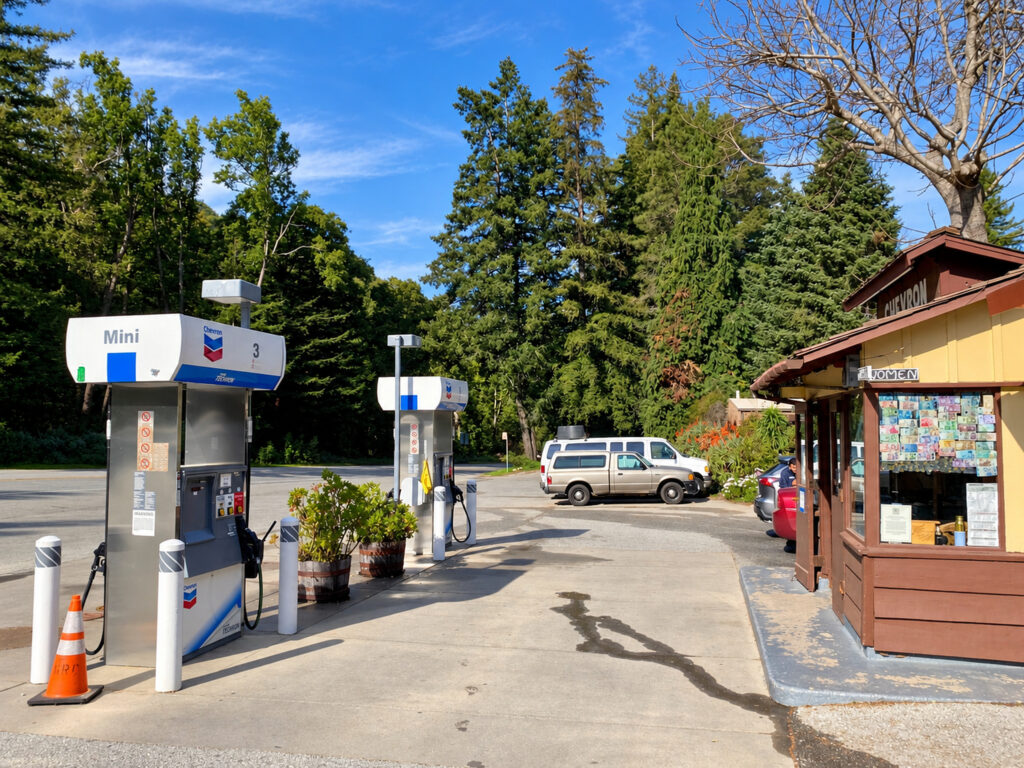
Are There Gas Stations in Big Sur?
Yes, but gas stations are limited and widely spaced.
Fuel can also be more expensive than in larger nearby communities.
Therefore, consider filling your tank in Monterey, Carmel, Cambria, or another major town before entering Big Sur.
Do You Need Reservations to Visit Big Sur?
You do not need a general reservation to drive through Big Sur.
However, campgrounds, hotels, guided tours, and certain activities may require advance booking.
Additionally, some state parks charge day-use parking or entrance fees.
During busy travel periods, reserving accommodations early is recommended.
Plan Your Visit to Big Sur
Big Sur offers a unique combination of coastal scenery, outdoor recreation, and natural beauty.
From scenic Highway 1 drives to redwood forests and rugged beaches, the region offers experiences for many types of travelers.
However, preparation is important. Road conditions, weather, limited services, and park restrictions can affect your visit.
Before traveling, check Highway 1 status, confirm attraction access, and arrange accommodations when necessary.
For more travel information, explore our guides to Getting to Big Sur, Best Time to Visit Big Sur, Best Hikes in Big Sur, Big Sur Beaches, and Where to Stay in Big Sur.